Management of Multiple over-Retained Deciduous Teeth- a Case with Idiopathic Cause
Department of Pediatric and Preventive Dentistry, K.M. Shah Dental College and Hospital, Sumandeep Vidhyapeeth Deemed To Be University, Piparia, Waghodia (T), Vadodara (D), Gujarat
ABSTRACT
It is a common phenomenon, to encounter retained primary teeth way beyond their expected exfoliation date. There are multiple reasons reported for the retention of deciduous teeth. Tooth eruption disorders showcase problems of syndromic as well as non-syndromic origin that may vary from delayed eruption, complete failure of eruption or even retained primary teeth. The following case report examines a 13-year-old male patient exhibiting multiple over retained deciduous teeth. The patient’s father showed a positive history of over retained deciduous teeth. A planned multidisciplinary treatment approach is necessary for such cases.
Key words: Bilateral, primary teeth, non-syndromic, retained deciduous teeth.
Introduction
In some cases, deciduous teeth can be retained for more time, exceeding beyond normal exfoliation period, a condition coined as “persistence” displaying an extended life for that tooth . A fully functioning deciduous tooth with stable crown, roots, and supporting alveolar bone structures can render many years of service to an adult patient. It is most commonly seen that if multiple deciduous teeth are retained in oral cavity; permanent teeth are missing. But in this case all permanent teeth were present. When deciduous teeth are present in oral cavity, permanent teeth fail to erupt leaving the primary tooth in situ. This leads to crowding of teeth ankylosis of primary tooth, or any other obstruction.In such cases it is necessary for the dentists to evaluate the developing dentition and should look after the eruption of permanent teeth are erupting within six months of emergence of contralateral tooth.1 A deciduous molar should spontaneously exfoliate when approximately three-fourths of the root of the replacing premolar has formed. When a deciduous molar persists beyond this point, it is considered over retained. Malposition of the future tooth germ, irregular root resorption , presence of multiple supernumerary teeth in eruption pathway , ankylosis and agenesis of the replacing tooth are some of the reasons elicited for over retention of primary teeth.2
Persistence of primary teeth may occur due to transmigration of successor teeth and presence of pathologies such as cysts, tumors, and odontoma underneath the primary tooth resulting in the impaction of successor teeth and partial or total microdontia of permanent dentition.1
Metabolic and hormonal disorders and various syndromes are also held responsible for multiple over retained teeth.2 According to Kamrathi N in 2013, a 22-year-old patient with history of hypothyroidism reported over retained deciduous molars. Erupting teeth presenting with excessive fibrous tissue is most common cause with eruption cysts being relatively rare.
Case Report
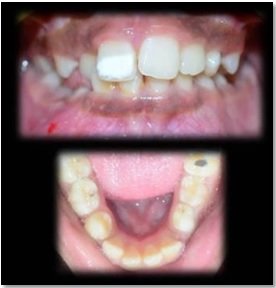
A 13-year-old male patient reported to operatory with the chief complain of extra teeth in lower front tooth region. On asking family dental history patients father gave history of presence of milk tooth in upper left back tooth region few months before reporting to us(Figure 1). On intraoral examination we found that there was severe crowding in mandibular anterior teeth region(Figure 2.1-2.3). Meticulous clinical examination revealed that patient had retained 6 deciduous teeth and over retained 7 deciduous teeth. Patient was apparently asymptomatic but had difficulty in maintaining oral hygiene and sometimes in chewing. Deciduous molars showed pre-shedding mobility whereas, mandibular incisors were firm. Only mandibular right 2nd molar and mandibular permanent molars showed buccal pit caries. We confirmed on radiographic examination with orthopantomography(OPG) (Figure 3) root formation of permanent teeth. Patient’s parents were duly informed about the consequences of over retained deciduous teeth. Detailed treatment plan was discussed with them and advised extraction of primary incisors and molars and further orthodontic consultation taken. On the very first day of patients visit oral prophylaxis was done followed by extraction of 81,82,71,72,73 (Figure 4). On second appointment patient underwent with extraction of 63,65,74,75. On third appointment extraction of 52,53,55,85 was done (Figure 5.1-5.3). Extractions were done under local anesthesia (Figure 6). On consecutive visits preventive treatments were undergone. Patient was on follow-up for 4 months after extractions (Figure 7.1-7.3). Post extraction OPG was taken (Figure 8).
Figure 1- Maxillary Arch of Patients’ Father

Figure 2.1- Preoperative Maxillary Arch
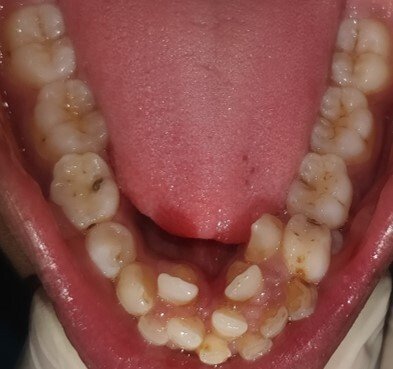
Figure 2.2- Preoperative Mandibular Arch
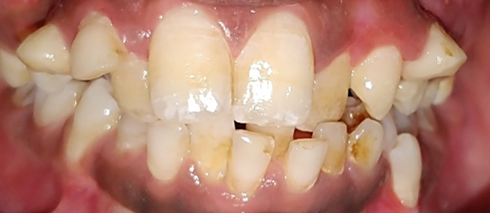
Figure 2.3- Preoperative Front View

Figure 3- Preoperative Panaromic Radiograph
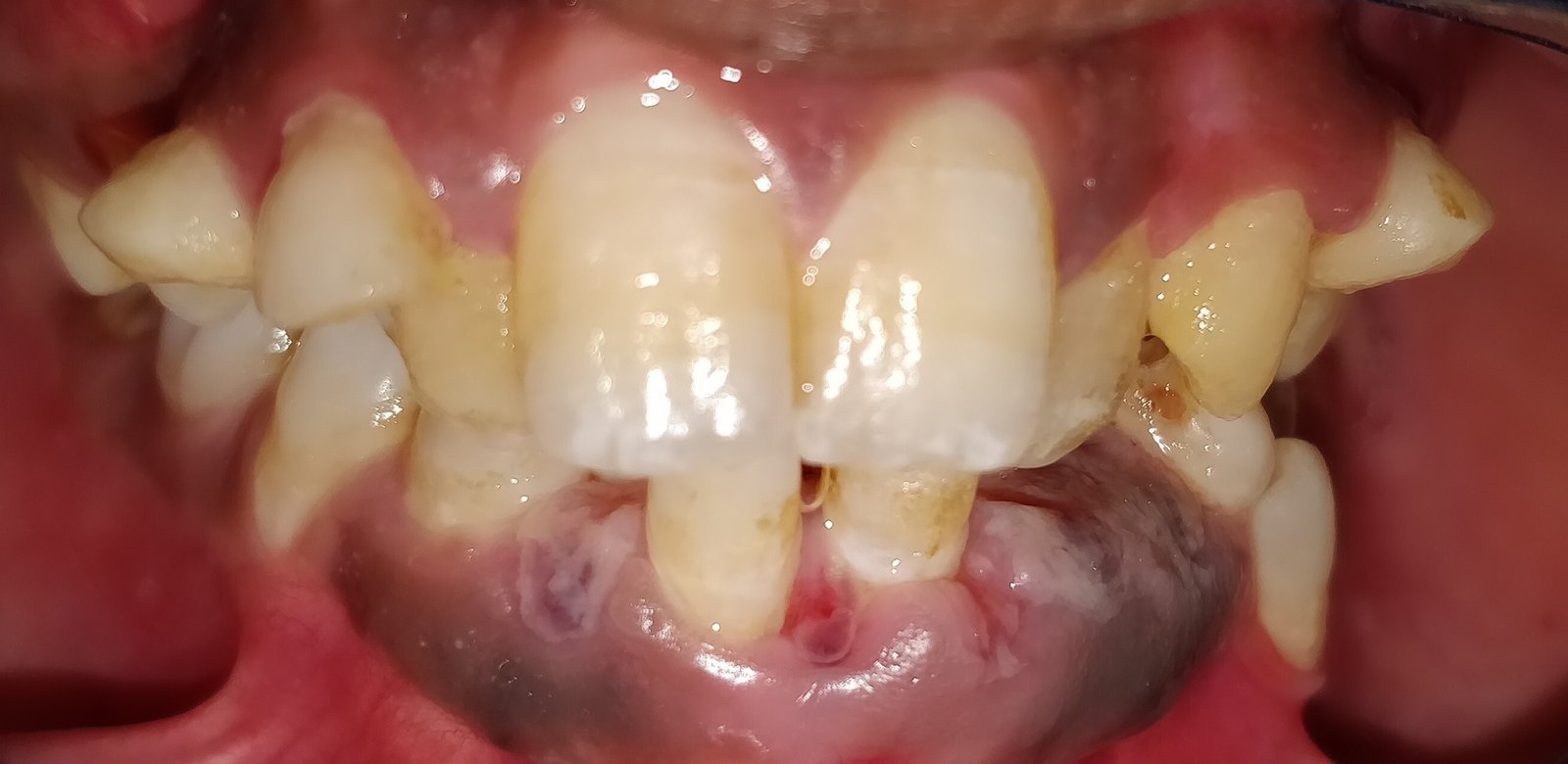
Figure 4- Post Extraction 1st Visit Front View
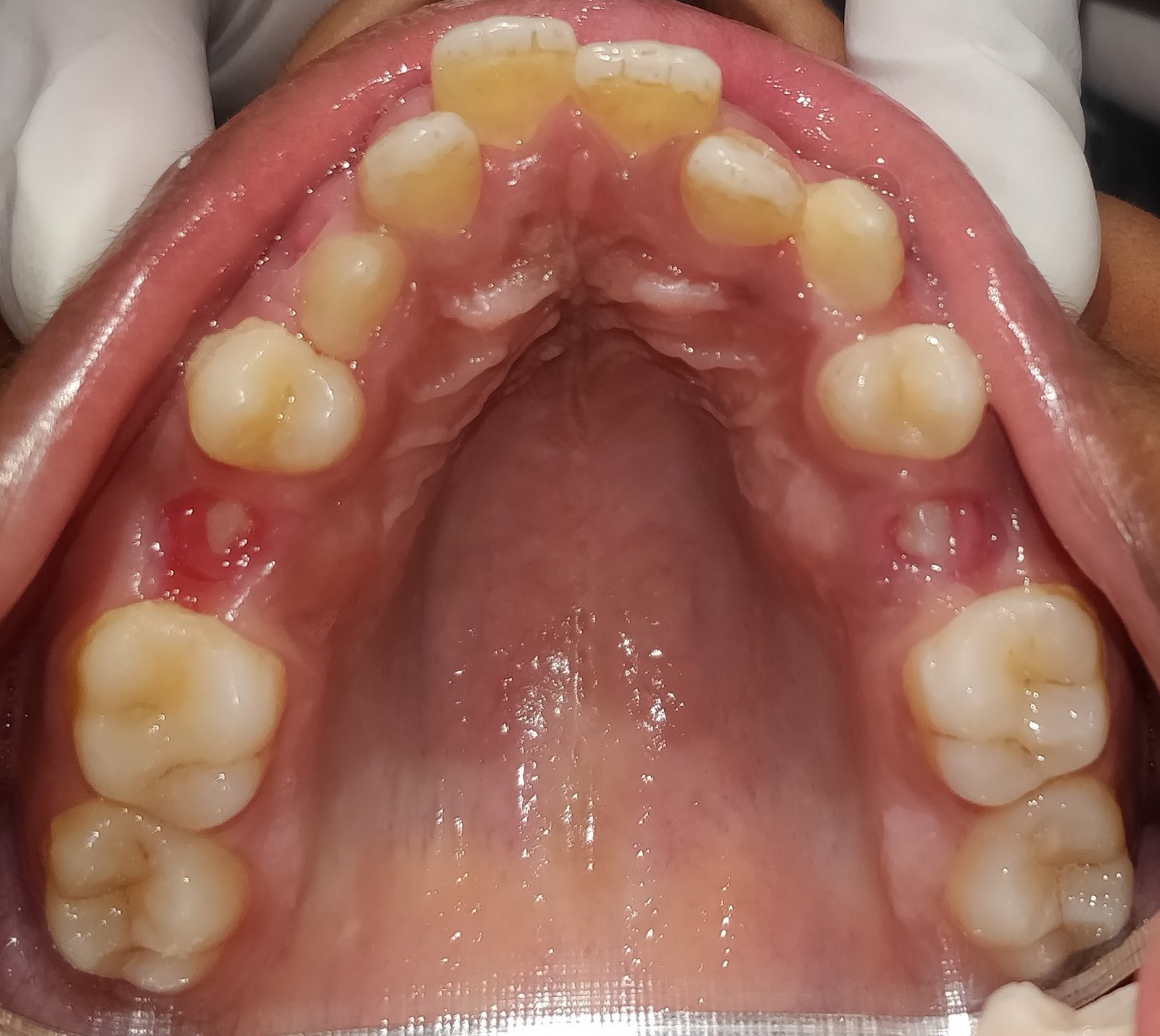
Figure 5.1- Post Operative Maxillary Arch

Figure 5.2- Post Operative Mandibular Arch
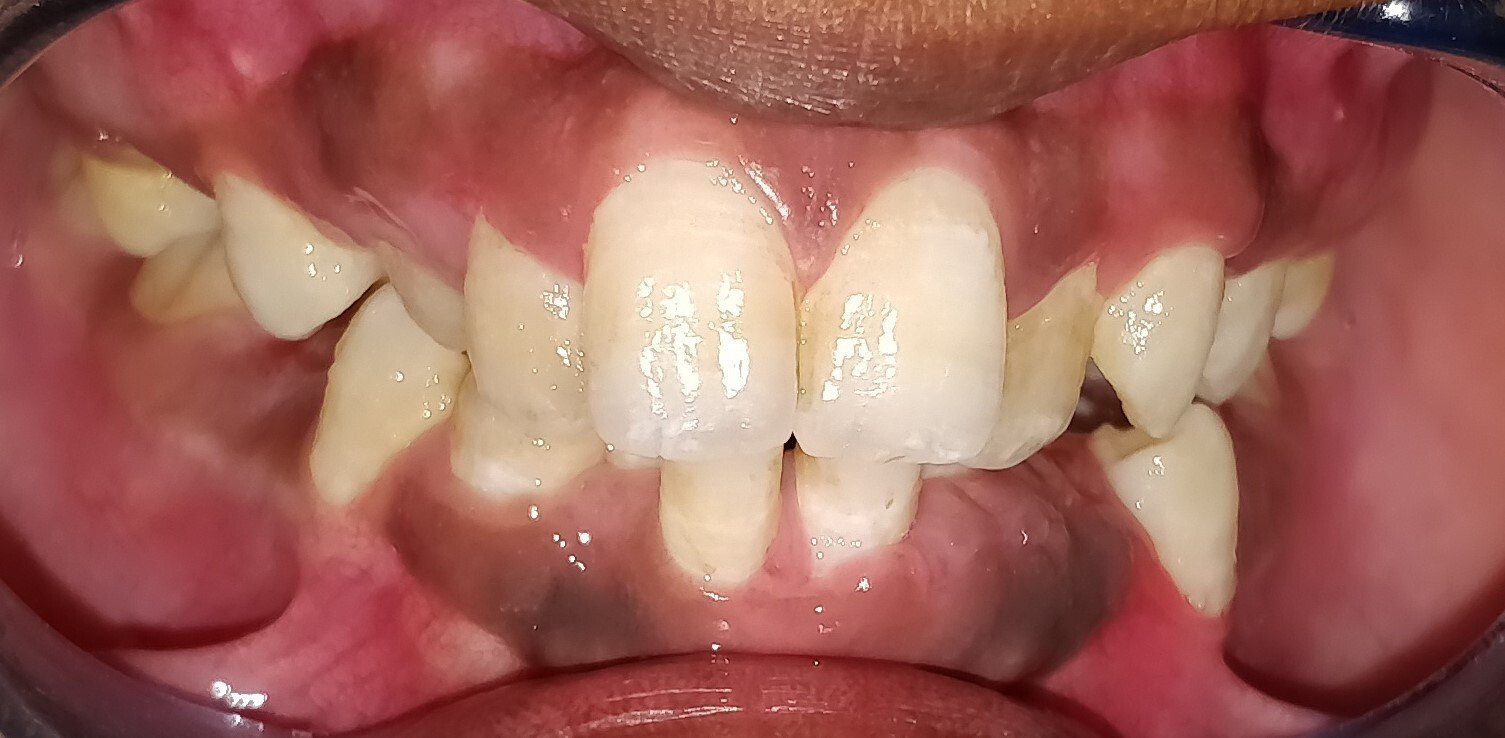
Figure 5.3- Post Operative Front View

Figure 6- Extracted Teeth
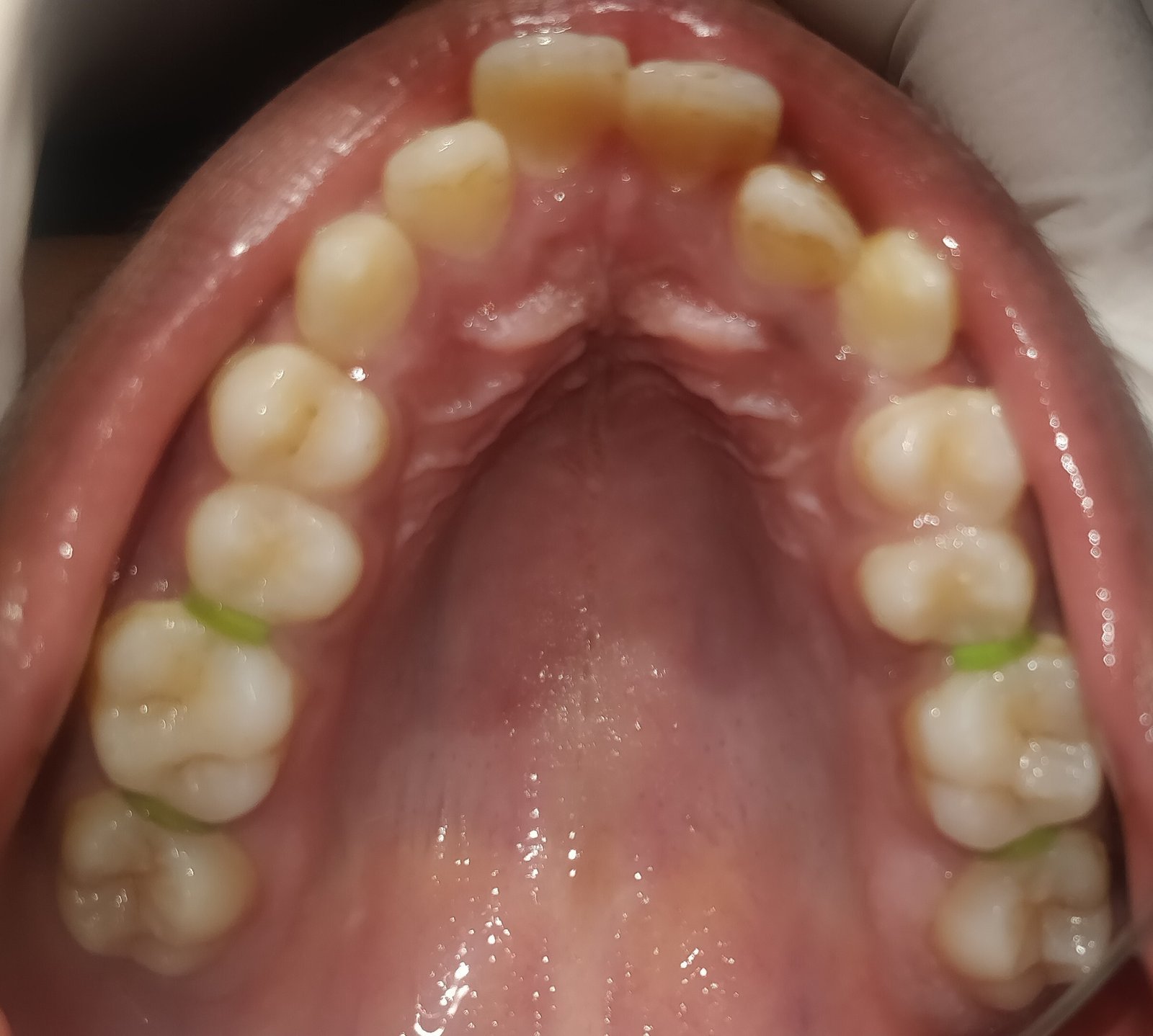
Figure 7.1- Post Four Months Followup Maxillary Arch
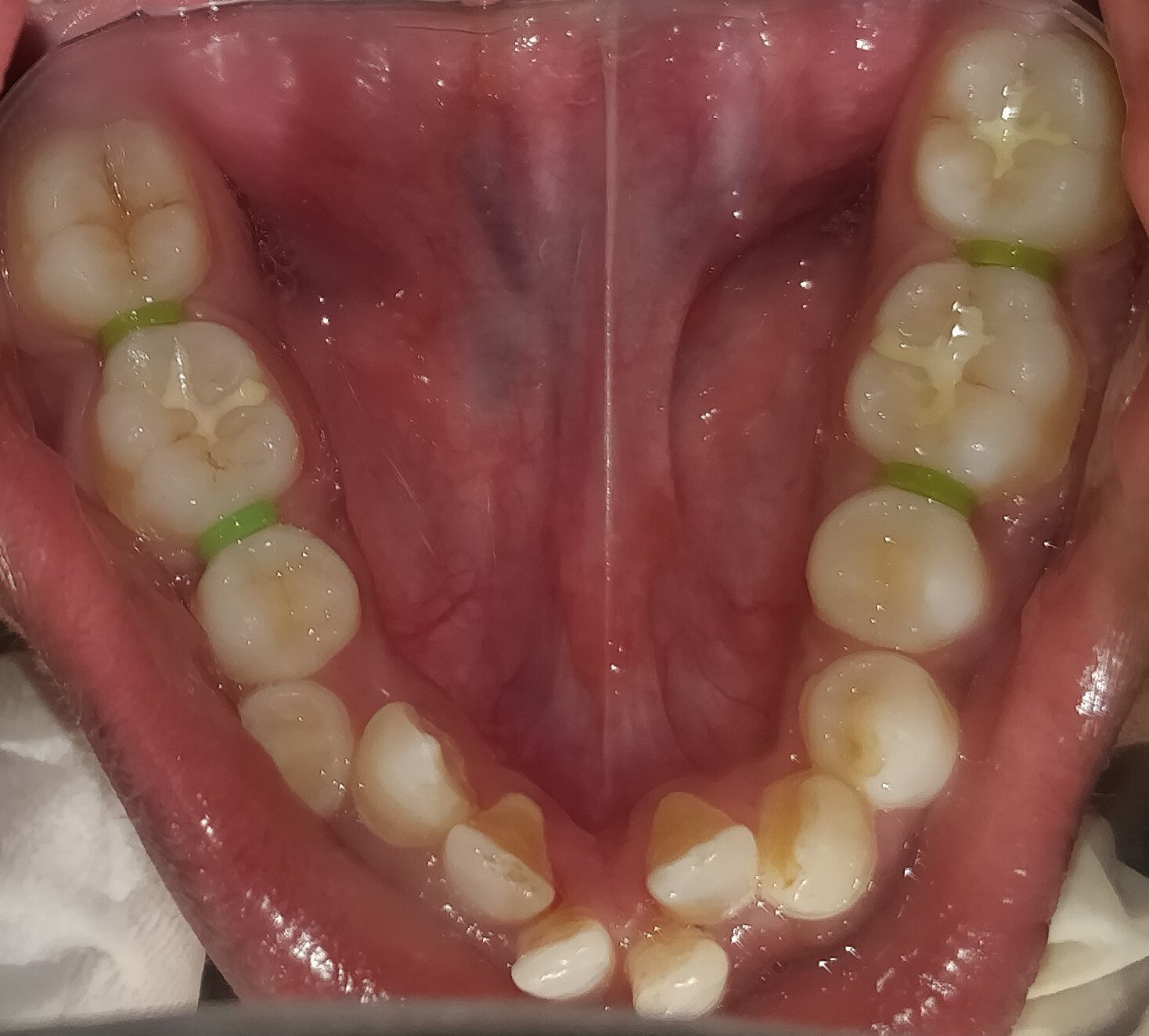
Figure 7.2- Post Four Months Followup Mandibular Arch
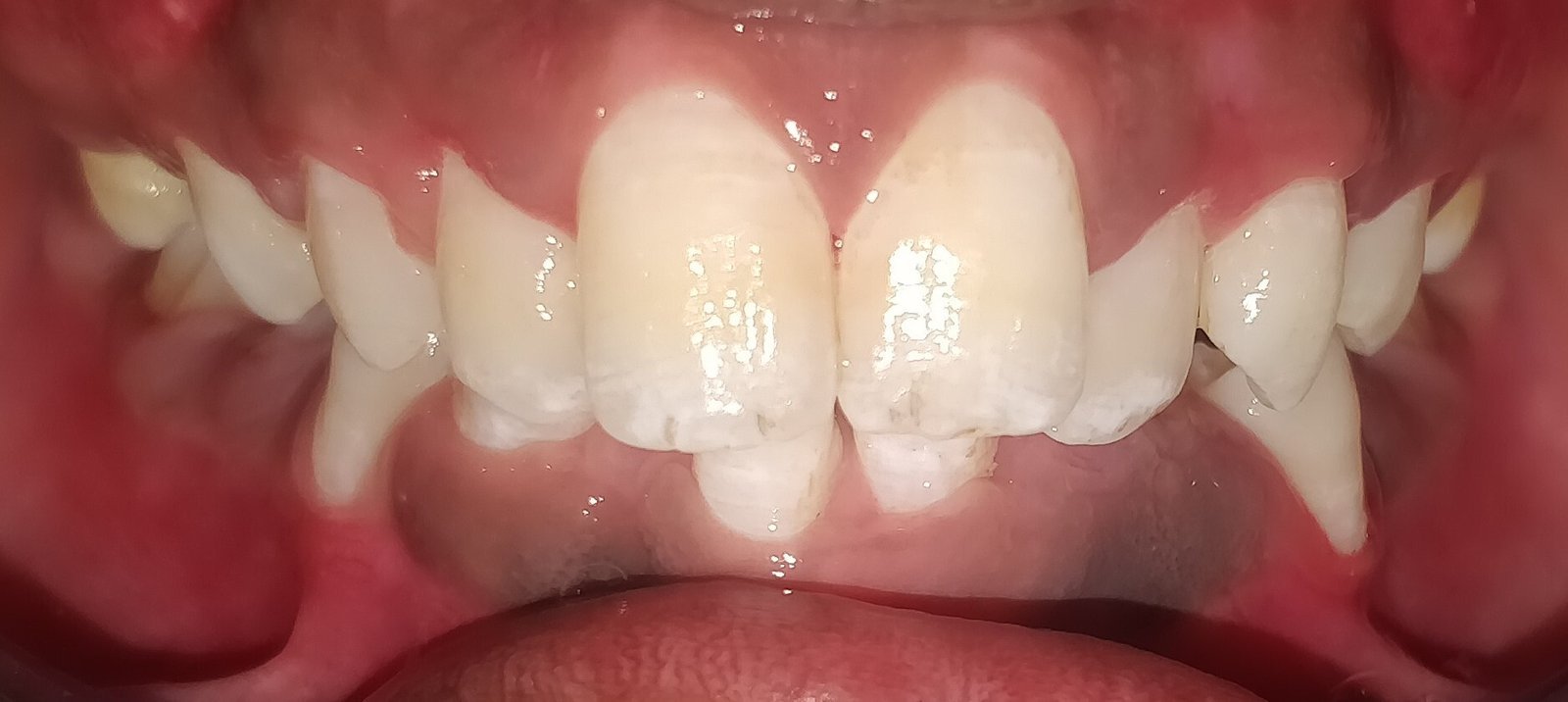
Figure 7.3- Post Four Months Followup Front View

Figure 8- Post Operative Panaromic Radiograph
Discussion
Sometimes the normal exfoliation time of primary teeth is exceeded resulting in some cases of retained primary teeth thereby resulting in an extended life for that tooth. This condition is rightfully termed as “persistence.” A retained deciduous tooth, with good and sufficient structure of crown, roots, and supporting alveolar bone, can be helpful for an adult patient in the long run. Lack of eruptive forces by permanent teeth can be a reason of retention of deciduous teeth.2 Multiple over retained teeth is a rare finding. It can be associated with syndromes like Zimmerman- Laband Syndrome, Gardener Syndrome, Cleidocranial Dysplasia, or Noonan’s Syndrome. Also, conditions like hemifacial atrophy, hypopituitarism, Hypoparathydoism3, hypothyroidism, Wolf-Hirschhorn Syndrome4, cherubism, cleft palate, Gingival Fibrosis.1According to the ideal timeline in normal dentition, the roots of deciduous teeth undergo resorption gradually along with the eruption of the permanent successors. The normal interrelationship between the eruption of a permanent tooth and the resorption of the primary tooth is well described (Haavikko, 1973).5
Estimation of T3, T4, and TSH is required for diagnosing hypothyrodism where there is low serum T4 and elevated TSH. Evaluation of total serum calcium concentration and serum parathyroid hormone is a necessary investigation for hypoparathyrodism and pseudohypoparathyroidism.6 In both conditions, the level serum calcium decreases. There is an increase of parathyroid hormone in pseudo hypoparathyroidism and decrease of hormone in hypoparathyrodism. Impacted teeth are also found to be associated with Vitamin D deficiency rickets.
Some studies have stated the factors responsible for over retention of primary teeth as the presence of rampant caries, a calcifying odontogenic cyst, intraluminal adenomatoid odontogenic tumor, chronic malnutrition and monostotic fibrous dysplasia.7
In our case, further diagnostic tests were needed to rule out metabolic and hormonal disorders. Early diagnosis and prompt treatment of retained primary teeth would prevent future complexities in the further dental management.8
Conclusion
Multiple over retained deciduous teeth leads to difficulty in maintaining oral hygiene as well as esthetic gets affected. It is necessary to diagnose properly, evaluate and plan the treatment accordingly. Also, patient and parents counselling plays crucial role in further orthodontic treatment.Bibliography
- Deepa D, Nazar R, Kumar A V. Nonsyndromic bilateral multiple retained primary incisors in mandibular arch: Rare case report. Journal of Oral Research and Review(2016); vol. 8(2) :79-81.
- Sujatha G, Sivapathasundharam B, Sivakumar G, Nalinkumar S , Ramasamy M, Srinivasa T. Idiopathic multiple impacted unerupted teeth: Case report and discussion. Journal of Oral and Maxillofacial Pathology(2012); vol. 16(1):125-127.
- Nagaraju K, Sreenivasan V, P B Patil. Ann Saudi Med(2013);411-413.
- Anna M. Paradowska-Stolarz. Wolf-Hirschhorn Syndrome (WHS)– Literature Review on the Features of the Syndrome. Adv Clin Exp Med 2014, 23, 3, 485–489.
- Aktan A M, Kara I, Sener I, Bereket C, Salih Celik, Kırtay M, Ciftci M E, Nursel Arıci. An evaluation of factors associated with persistent primary teeth(2012); European Journal of Orthodontics (34); 208–212.
- Sabri R, Management of over-retained Mandibular deciduous second Molars with and without Permanent successors. World journal of orthodontics (2008);vol 9(2);209-220.
- Jahanimoghadam F, Hosseinifar R. Case Report: Simultaneous Presence of Primary and Permanent Teeth. Anatomical sciences(2015). Vol 12(3);145-147.
- Robinson S, Chan W M. New teeth from old: treatment options for retained primary teeth. British dental journal(2009); volume 207(7).
Disclaimer from Guident
The views and opinions expressed in articles published in Guident are solely those of the authors and do not necessarily reflect the views of the editors, the editorial board or the publisher, Ivory India. Guident does not endorse any product, technique or treatment described. Clinical content is intended for qualified dental and medical professionals and is not a substitute for individual clinical judgement. Guident, its editors and the publisher accept no liability for any consequence arising from the use of information published in the journal.
How to cite this article
Dr. Susmita Shah, Dr. Bhavna Dave, Dr. Paridhi Shah. Management of Multiple over-Retained Deciduous Teeth- a Case with Idiopathic Cause. Guident. 2020 Aug;13(9). Available from: https://guident.net/articles/pedodontics/management-of-multiple-over-retained-deciduous-teeth-a-case-with-idiopathic-cause.html