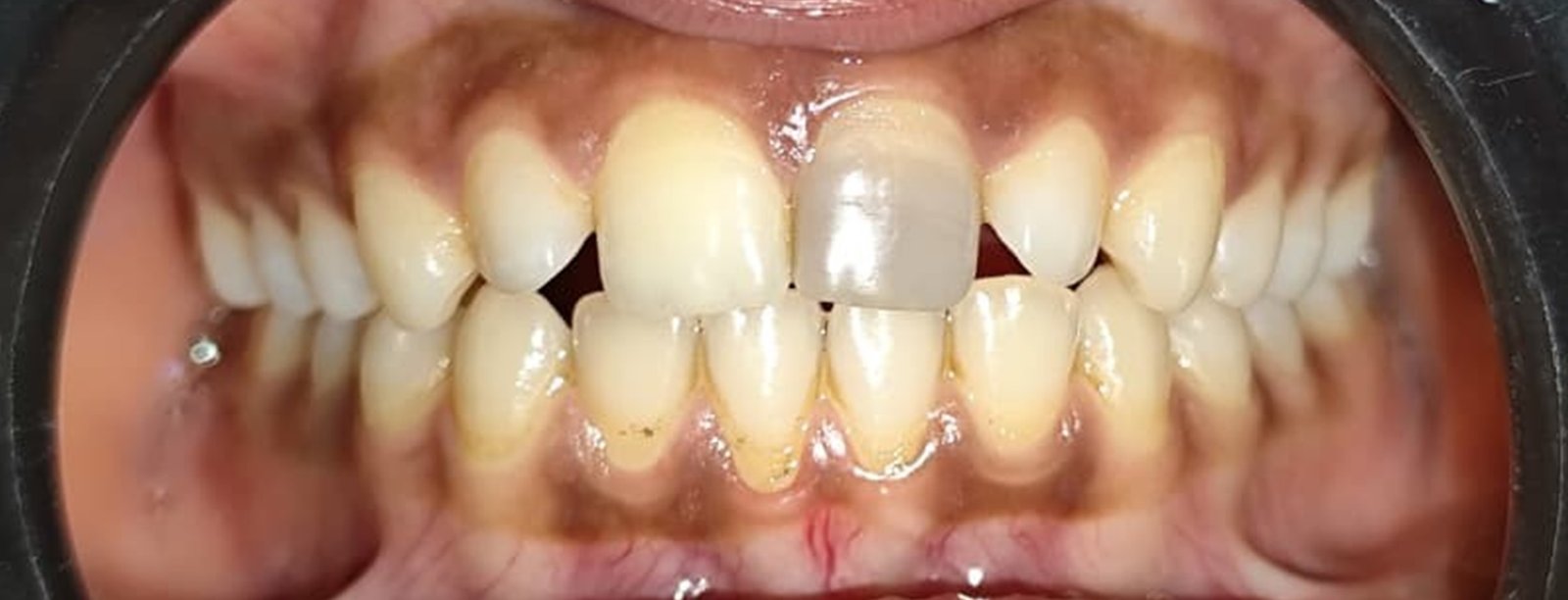
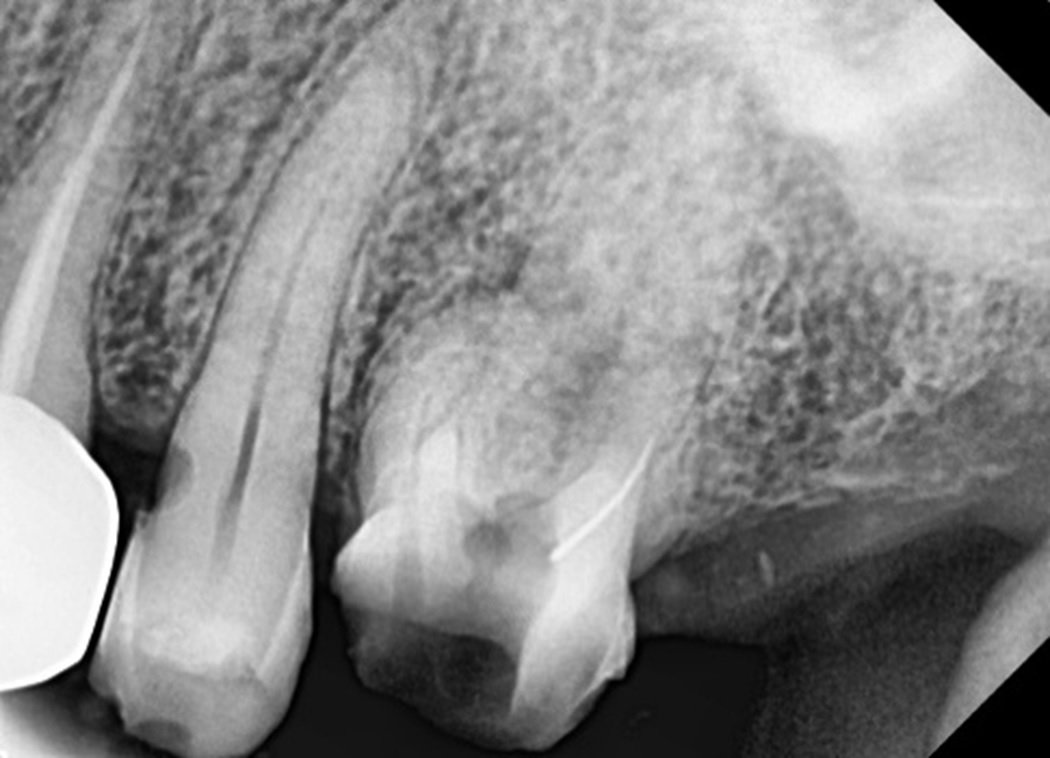
Anterior Aesthetic Rehabilitation Using Everstick Fiber-Reinforced Composite: A Clinical Perspective
Department of Conservative Dentistry and Endodontics, D.J. College of Dental Sciences & Research, Modinagar, U.P
ABSTRACT
Aesthetic rehabilitation of anterior teeth demands restorations that closely mimic natural tooth structure while providing adequate strength and longevity. Advances in adhesive dentistry and fiber-reinforced composite systems have introduced minimally invasive yet durable treatment options. EverStick fiber, a pre-impregnated, resin-based glass fiber system, has gained popularity for anterior restorations due to its excellent adaptability, bonding potential, and biomimetic properties. This article discusses the clinical rationale, indications, technique, advantages, and limitations of using EverStick fiber in anterior restorations, with emphasis on achieving optimal aesthetics and functional outcomes.
INTRODUCTION
Anterior teeth play a crucial role in facial aesthetics,phonetics, and psychological well-being. Restoration of fractured, discoloured, or structurally compromised anterior teeth poses a clinical challenge, as the restoration must satisfy both functional and aesthetic requirements. Conventional restorative approaches such as full-coverage crowns often require extensive tooth preparation, leading to loss of sound tooth structure.
Fiber-reinforced composite (FRC) systems offer a conservative alternative by reinforcing restorations while preserving tooth structure. EverStick fiber (GC, Japan) is a unique, flexible, pre-impregnated glass fiber that can be adapted chairside to various clinical situations. Its use in anterior restorations has shown promising results in terms of strength, aesthetics, and longevity.
Due to its excellent adaptability, esthetics, and minimally invasive application, EverStick fiber has gained wide acceptance in the reinforcement of anterior restorations, management of traumatic dental injuries, splinting, and fiber-reinforced bridges. Its ability to improve fracture resistance while maintaining tooth vitality makes it particularly suitable for use in adolescents and young patients.
CASE REPORT
A 14-year-old female patient reported with a chief complaint of a broken tooth in the upper right front tooth region since 4–5 years. The patient gave a history of mild sensitivity to cold fluids in the affected tooth. There was no history of spontaneous pain or swelling. The patient was medically fit witha no relevant medical history.
On intraoral examination, a fractured maxillary right central incisor (tooth 11) was observed. The fracture involved enamel and dentin without pulpal exposure. The tooth showed no signs of discoloration or mobility. Surrounding soft tissues appeared normal. Based on clinical findings, a diagnosis of Ellis Class II fracture irt tooth 11 was made
Considering the patient’s age, esthetic concern, and tooth vitality, a conservative restorative approach was planned:
- Protection of exposed dentin
- Restoration of form, function, and esthetics using composite resin restoration
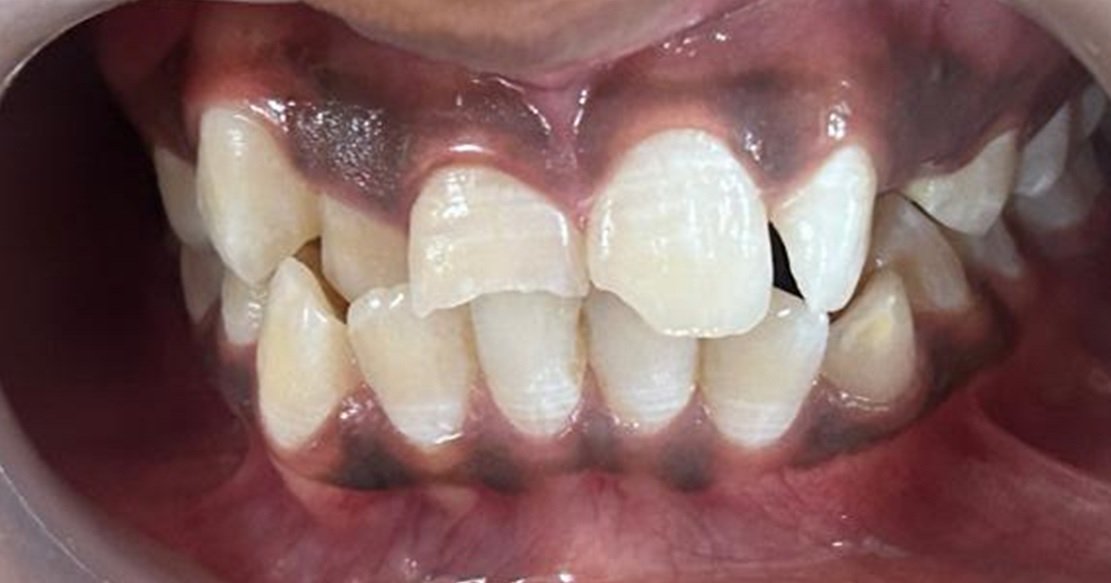
Pre operative image
EverStick Fiber: Material Overview
EverStick fiber is a silanated E-glass fiber embedded in a polymer matrix of polymethyl methacrylate (PMMA) and bis-GMA. Unlike rigid prefabricated fiber posts or strips, EverStick fibers remain flexible before polymerization, allowing intimate adaptation to the tooth anatomy.
Key Properties
- Elastic modulus similar to dentin, reducing stress concentration
- Excellent bonding to composite resins due to its semi-interpenetrating polymer network (IPN)
- High adaptability to complex contours
- Superior aesthetics, as fibers are translucent and do not shine through composites

Materials & Armamentrium
Indications in Anterior Teeth
EverStick fiber can be used in various anterior restorative scenarios, including:
- Fractured anterior teeth (Ellis class II and III)
- Reinforcement of large composite restorations
- Splinting of mobile anterior teeth
- Direct fiber-reinforced bridges for missing anterior teeth
- Restoration of endodontically treated anterior teeth
CLINICAL TECHNIQUE FOR ANTERIOR RESTORATION USING EVERSTICK FIBER
Case Selection and Diagnosis
Proper case selection is critical. Teeth with sufficient remaining enamel for bonding and controlled occlusal forces are ideal candidates. Radiographic and clinical evaluation should rule out periodontal or periapical pathology.
Tooth Preparation
- Minimal or no additional tooth preparation is required
- Beveling of enamel margins may be done to enhance aesthetic blending
- Isolation using rubber dam is strongly recommended
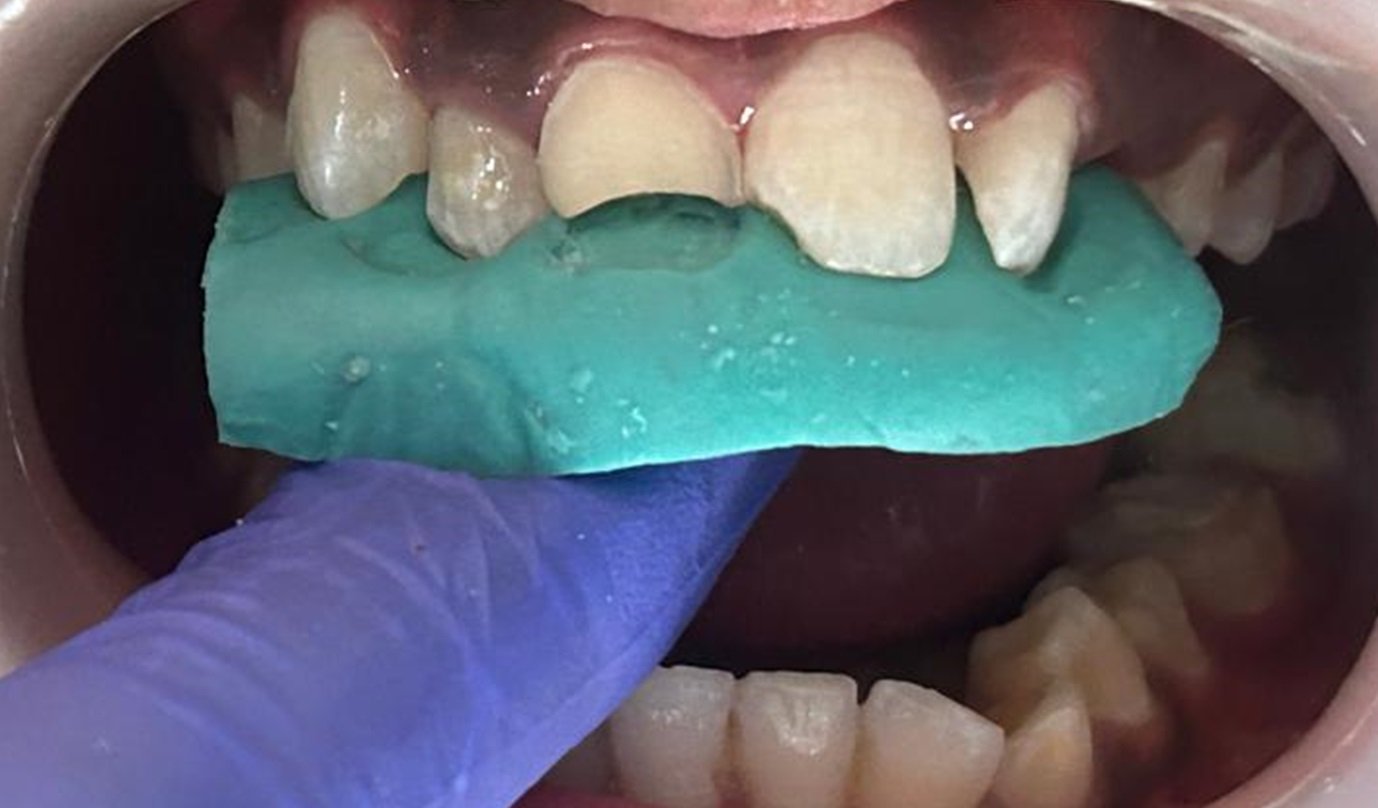
Palatal preparation made irt 11
Fiber Placement
- Measure and cut the required length of EverStick fiber
- Adapt the fiber onto the palatal or lingual surface, or within the composite build-up area
- Avoid contamination and excessive handling

Everstick fiber placement done irt 11
Bonding Protocol
- Etch enamel and dentin using phosphoric acid
- Apply bonding agent and light cure as per manufacturer instructions
- Place a thin layer of flowable composite and adapt the EverStick fiber into it
- Light cure thoroughly to polymerize the fiber
Composite Build-Up
- Incremental placement of nano-hybrid or micro-hybrid composite resin
- Sculpt anatomy carefully to replicate natural tooth morphology
- Finish and polish to achieve optimal aesthetics

Advantages of EverStick Fiber in Anterior Restorations
- Minimally invasive approach
- Improved fracture resistance of restorations
- Better stress distribution compared to metal reinforcements
- Excellent aesthetic outcomes
- Chairside customization and versatility
Limitations and Considerations
- Technique-sensitive procedure
- Requires strict moisture control
- Long-term success depends on occlusal management
- Not suitable for cases with heavy parafunctional habits without protection
CLINICAL OUTCOMES AND PROGNOSIS
Studies have demonstrated that fiber-reinforced anterior restorations exhibit favourable survival rates and reduced catastrophic failures. When failure occurs, it is often repairable, unlike conventional ceramic restorations.
CONCLUSION
EverStick fiber represents a significant advancement in conservative anterior restorative dentistry. Its biomimetic properties, adaptability, and aesthetic compatibility make it an excellent choice for reinforcing anterior composite restorations. With proper case selection and meticulous technique, EverStick fiber can provide predictable, durable, and highly aesthetic outcomes, aligning with the principles of modern adhesive dentistry.
REFERENCES
- Vallittu PK. Fiber-reinforced composites in root canal treated teeth. Journal of Dentistry. 2005;33(1):1–10.
- Garoushi S, Vallittu PK, Lassila LVJ. Short fiber-reinforced composite restorations: a review of the current literature. Clinical Oral Investigations. 2018;22(1):1–13.
- Belli S, Erdemir A, Ozcopur M, Eskitascioglu G. Reinforcement of endodontically treated teeth with fiber materials. International Endodontic Journal. 2006;39(2):73–82.
- Behr M, Rosentritt M, Lang R, Handel G. Fiber-reinforced composite restorations in dentistry. Quintessence Int. 2000;31(4):259–265.
- Scribante A, Vallittu PK, Özcan M. Fiber-reinforced composites for esthetic anterior restorations. Biomaterials Investigations in Dentistry. 2018;5(1):1–9.
- Behr M, Rosentritt M, Lang R, Handel G. Fiber-reinforced composite restorations in anterior teeth: Clinical considerations. Quintessence International. 2000;31(4):259–265.
Disclaimer from Guident
The views and opinions expressed in articles published in Guident are solely those of the authors and do not necessarily reflect the views of the editors, the editorial board or the publisher, Ivory India. Guident does not endorse any product, technique or treatment described. Clinical content is intended for qualified dental and medical professionals and is not a substitute for individual clinical judgement. Guident, its editors and the publisher accept no liability for any consequence arising from the use of information published in the journal.
How to cite this article
Dr. Th Sujata Devi, Dr. Ruchi Gupta, Dr. Anil Dhingra. Anterior Aesthetic Rehabilitation Using Everstick Fiber-Reinforced Composite: A Clinical Perspective. Guident. 2026 Feb;19(3). Available from: https://guident.net/articles/endodontics/anterior-aesthetic-rehabilitation-using-everstick-fiber-reinforced-composite-a-clinical-perspective.html